
Centerville Previous Residents by Era
One Centerville address can pass through several record systems before it leads to a person. Start with the current parcel and its legal description. Then decide which era needs the work. The online property record and its map pin down a modern street number. For recorded-instrument references, the Recorder's Information Search System, called RISS, is the working tool, while older questions lean on the county archive, old directories, census schedules, and city records. None is a complete household roster.
| Source | Years it covers | Where held | What it shows |
|---|---|---|---|
| Auditor property search and GIS | Current service; historic reach requires verification | Montgomery County Auditor | Centerville parcel, situs, legal description, and map context |
| Recorder RISS | Modern modes; dedicated 1971-79 pre-1980 path | Online guest search and Recorder counter | Centerville document parties and locating references |
| Records Center & Archives property materials | Deeds 1805-1933; deed index 1805-1928 | RC&A research area | Older Centerville legal and property trail |
| Tax duplicates and original-owner tracts | 1803-1983; 1801-30 | RC&A | Historic Centerville parcel and tract context |
| Haines criss-cross and other directories | Edition-specific | Dayton Room | Centerville address-to-name lead in the inspected edition |
| Federal census | 1790-1950 public schedules | National Archives and library resources | Dated Centerville household and block context |
The county's Home/Property Research Guide lays out the Centerville bridge between a modern address and older records. Its sequence is simple. Pull the current property record. Get the legal description from it. Then work the Recorder's grantor-grantee indexes or the tract indexes. The guide also points to city abstract books as another route, since abstracts carry seller, buyer, deed or mortgage book, and page references. That path matters most after renumbering.
Note: Keep the parcel number and legal description in hand before tracing Centerville previous residents into a different address era or index.
Centerville Previous Residents: Parcel History
Stabilize the address before hunting a name with the Montgomery County Auditor Property Search. Write down the Centerville parcel number and situs address. Add the legal description and the current listed owner. Note any gap between the physical address and the tax mailing field. GIS shows the parcel's setting. The mailing field is only a contact point on the tax record, not proof that a person gets mail there now or ever lived at the site.
- Grantor
- The party transferring an interest in a recorded instrument.
- Grantee
- The party receiving that interest in the recorded instrument.
- Chain of title
- The linked series of recorded transfers traced from one party and instrument to an earlier one.
- Legal description
- The recorded land identifier, such as a lot, subdivision, or survey description, which can outlast a modern street address.
An early Centerville place rarely carries a modern street number. Imposing one on an original tract only invites confusion. The archives hold deeds from 1805-1971, deed indexes from 1805-1928, tax duplicates from 1803-1983, wills and estates from 1803-1939, and original-owner tract records from 1801-30. A plat, legal description, or old map often supplies the missing link between today's Centerville parcel and those earlier records.
Centerville Previous Residents in RISS
RISS is the Recorder's document index, not a roster of past Centerville households. The guest search opens with a legal disclaimer. Accept it and move on. Start from the party on the current Centerville deed. By Municipality mode then narrows records listing Centerville by lot and date. By STR supports section, township, and range, along with party, date, and index controls, while By Subdivision helps once a recorded plat or lot number is known. By Name catches grantors, grantees, and related parties.
The RISS pre-1980 search is a Centerville quirk that leaves plain name searches incomplete. It covers 1971-79 only. It requires a numeric pre-1980 number. The menu offers all records, pre-1980 deeds, or pre-1980 mortgages. Other RISS paths cover name, type, municipality, subdivision, STR, instrument, book and page, fiche, date, certified dates, and veterans graves. The book and page form permits a through range and identifies scanned deed books 1135-2541 among other book sets.
The RISS pre-1980 page displays that older route.
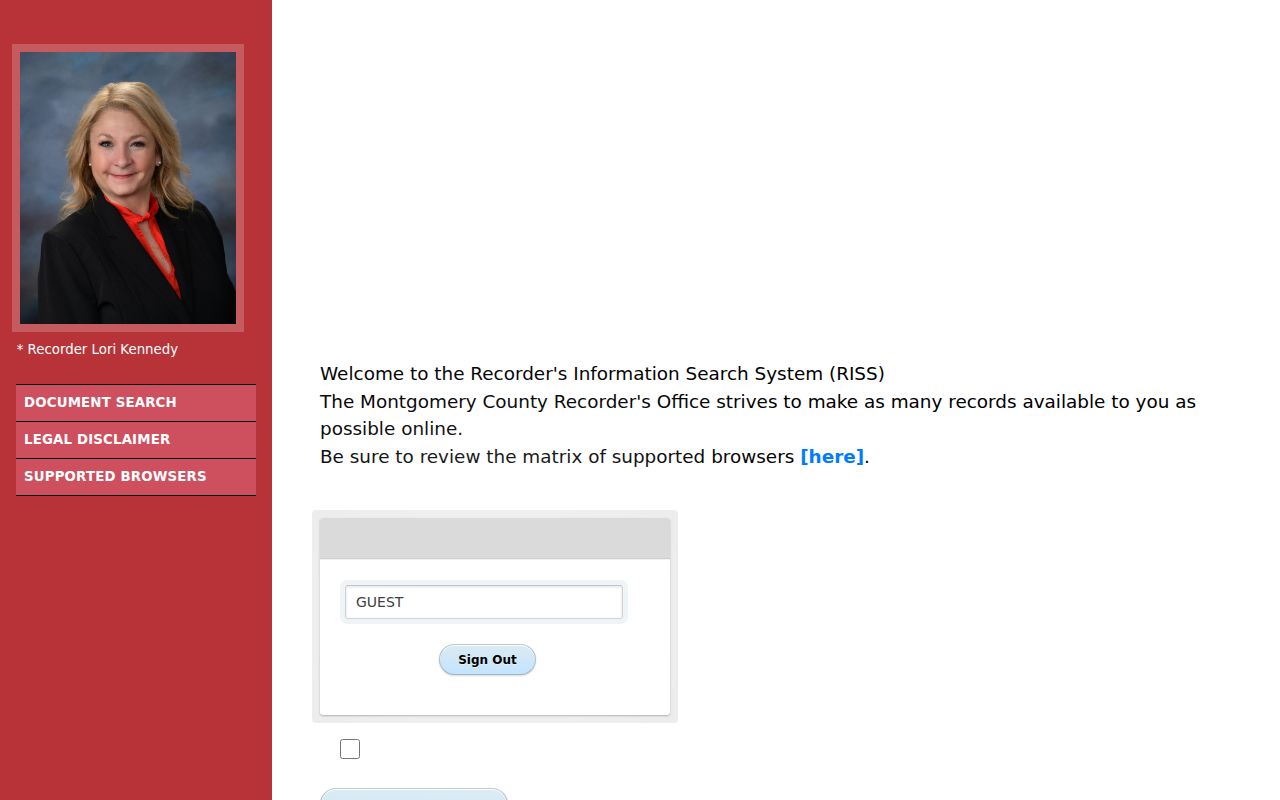
Those Centerville modes locate document references, nothing more. Read the instrument type and party role before calling a result a sale. RISS holds deeds and deed corrections. It also holds sheriff's deeds, plats, mortgages, releases, easements, leases, land contracts, liens, UCC-related records, annexations, and zoning documents. A financing or release hit is not a transfer. The instrument type and its date carry the meaning.
Note: A Centerville RISS name result is a document-party clue, so read it with its instrument type and date.
Centerville Archive Deeds Before Portals
The modern Centerville index has an older bridge. The Montgomery County Records Center & Archives holds deeds from 1805-1933 and the deed index for 1805-1928, alongside tax duplicates, original-owner tracts, probate records, and other county material. It is the official Centerville fallback when a live portal does not cover the period you need. RC&A sits on the sixth floor of the Reibold Building, 117 S. Main St., Dayton. Listed weekday hours are 8 a.m. to 5 p.m.; phone 937-225-6366 and email recordscenter@mcohio.org.
For this earlier-deed route, the Records Center & Archives is the source.
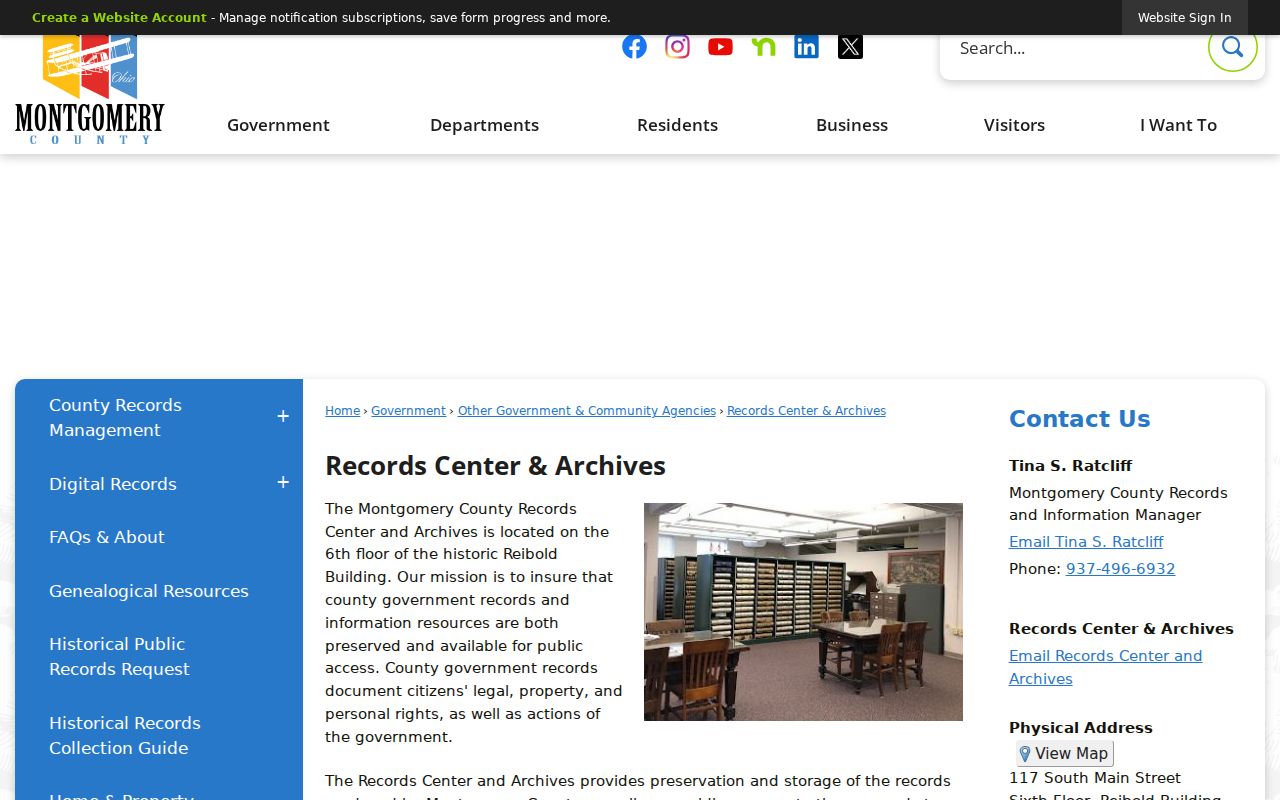
RC&A uses a computer-assisted index covering more than 47,000 locations. The Centerville material is not a general browse shelf, but requested material can be inspected or copied in the research area. Give the staff a full name, record type, relevant dates, and the legal-description or Recorder references already found. That Centerville request is far more useful than saying only that a record was not online.
Trace Centerville Previous Residents Through Deeds
A Centerville deed trail tracks ownership, not every occupant. Someone who rented or lived with family may never appear in the chain. The current property Summary shows a mailing address and owner. The Auditor's walkthrough treats the buyer on the most recent sale as the current owner. Open the linked deed reference from there. Keep the parcel number and legal description handy. A changed street form or a similar Centerville address number can blur which property is which.
- Pull the current Centerville parcel, listed owner, situs, and legal description from the Auditor record.
- Open the most recent Centerville sale or deed reference, then note its date, document type, grantor, grantee, and locating reference.
- Search the prior party as needed in Centerville RISS by name, municipality, legal description, subdivision, STR, book and page, or instrument number.
- Repeat the Centerville comparison backward, keeping the seller, buyer, recording date, and source date separate.
- Move to RC&A when the needed older Centerville deed or index is outside the useful online route, carrying the legal description and references with you.
The Recorder's counter handles Centerville document questions in person at 451 W. Third St., Dayton, 937-225-4275. Posted fees run $2 per page for photocopies and $2 per page plus $1 certification for certified copies. A fee schedule does not promise images. Not every RISS result carries one. Confirm the document, the copy type, and the current Centerville charge with the Recorder before placing an order.
Centerville Past Residents in Directories
Past owners are just one layer of a Centerville residents directory trail. For a name printed at a Centerville address, ask the Dayton Room for a Haines Dayton City & Suburban Criss-cross Directory. Verify the edition's geographic scope first. The public catalog posts no dates, so staff have to help identify a useful volume. A Dayton, Dayton-suburban, or countywide city directory can then add a surname, an occupation, a spouse, or location wording tied to its own edition date. The Centerville city directory page maps the full collection. It explains how to read an entry. Pair every Centerville directory date with the nearest federal census. Neither source is annual, so treat them as separate checkpoints. The National Archives lists population schedules through 1950. That is the most recent census open under the 72-year restriction. Centerville census dates and directory dates rarely line up, so a change in listing may reflect a real move or nothing more than a different publication schedule. A Haines directory gives an address-first lead. A census gives a dated household snapshot. Neither replaces the property chain. The National Archives city-directory guide lists selected Dayton directory microfilm for 1929-31.
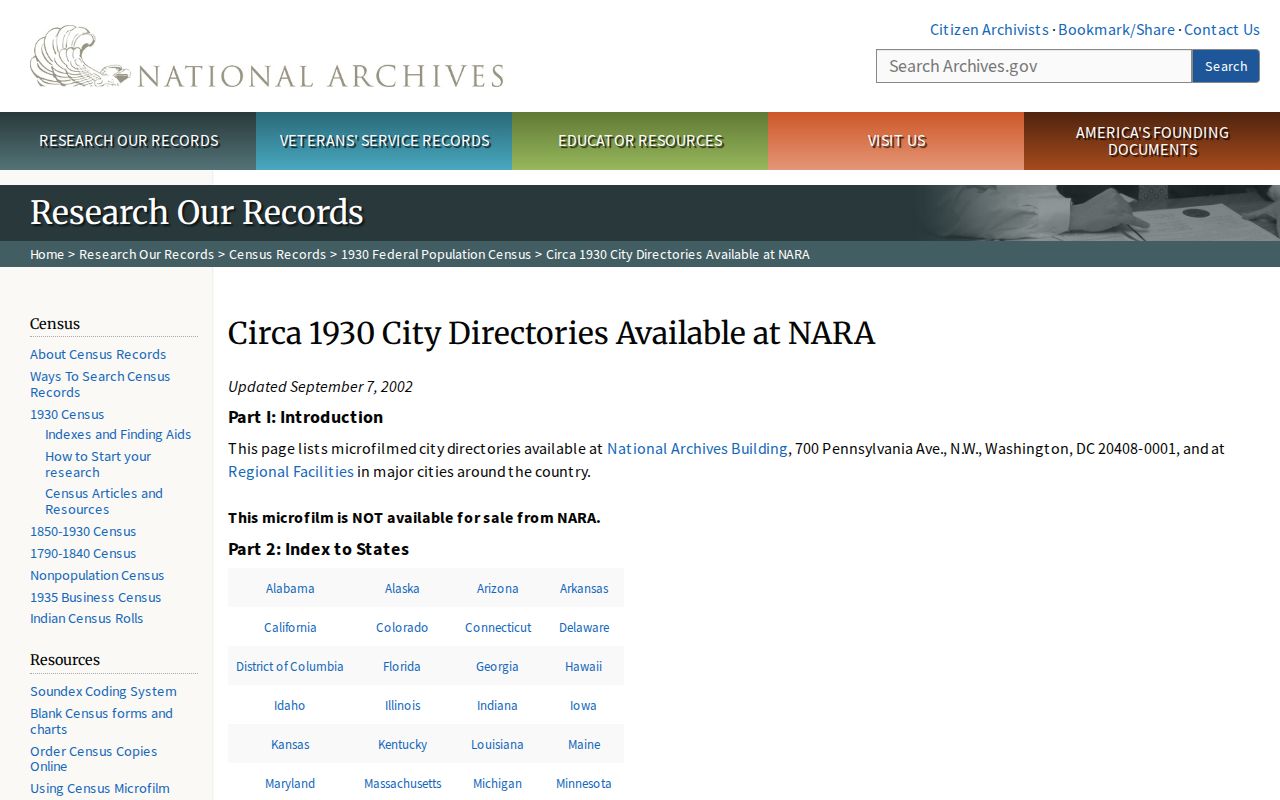
Test each dated household question against a Centerville directory or census finding, then preserve the edition or census year beside the name. A blank can mean many things. It may signal a move, an unlisted person, a variant spelling, a missing volume, or a coverage limit.
Centerville Obituary and Probate Endpoints
A Centerville household trail sometimes ends at a death or estate question. HOBITS at Dayton Metro Library is a strong local index for that. The obituary and genealogy search accepts several fields. Keyword, First Name, Last Name, Publication, Date, Publication Information, and Sort By all help narrow a search. Its posted Centerville coverage includes death notices and obituaries from 1850-80, 1897-98, 1900, 1903-18, 1920-39, 1951-57, 1965, and 1985 to the present. Additions arrive daily. Selected marriage announcements, WWII service notes, and other local material appear too. The HOBITS index is a citation route. It is not a source of full obituary text.
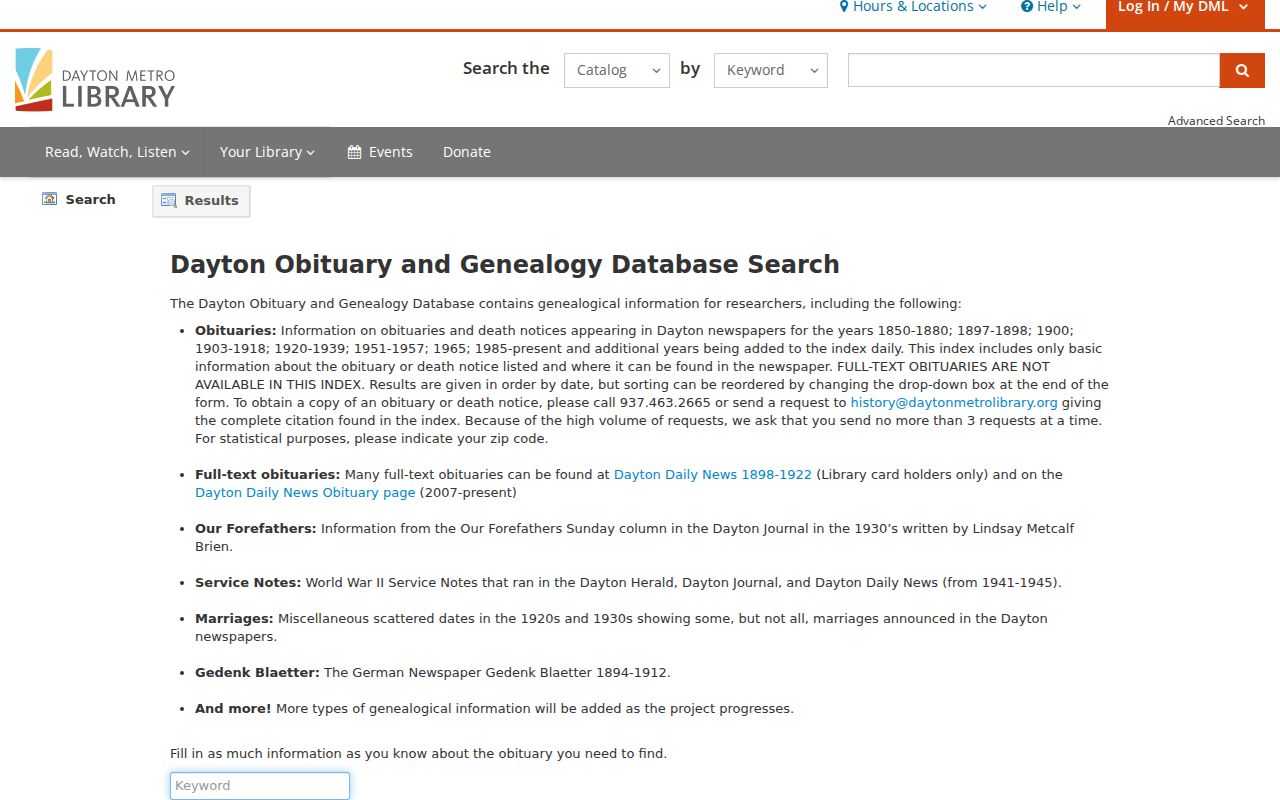
Record the full Centerville citation, and request no more than three copies at a time by phone or email. Probate and estate records are a separate county channel. The Records Center & Archives holds wills and estates from 1803-1983, with an index covering 1803-1938. A Centerville obituary, cemetery item, or estate file can settle a date or family connection. It cannot establish where every relative lived. For a certified death record, follow the current issuer's form and access rules under Ohio Revised Code Chapter 3705. A vital-record copy never substitutes for the deed or directory evidence that belongs in a Centerville address history.
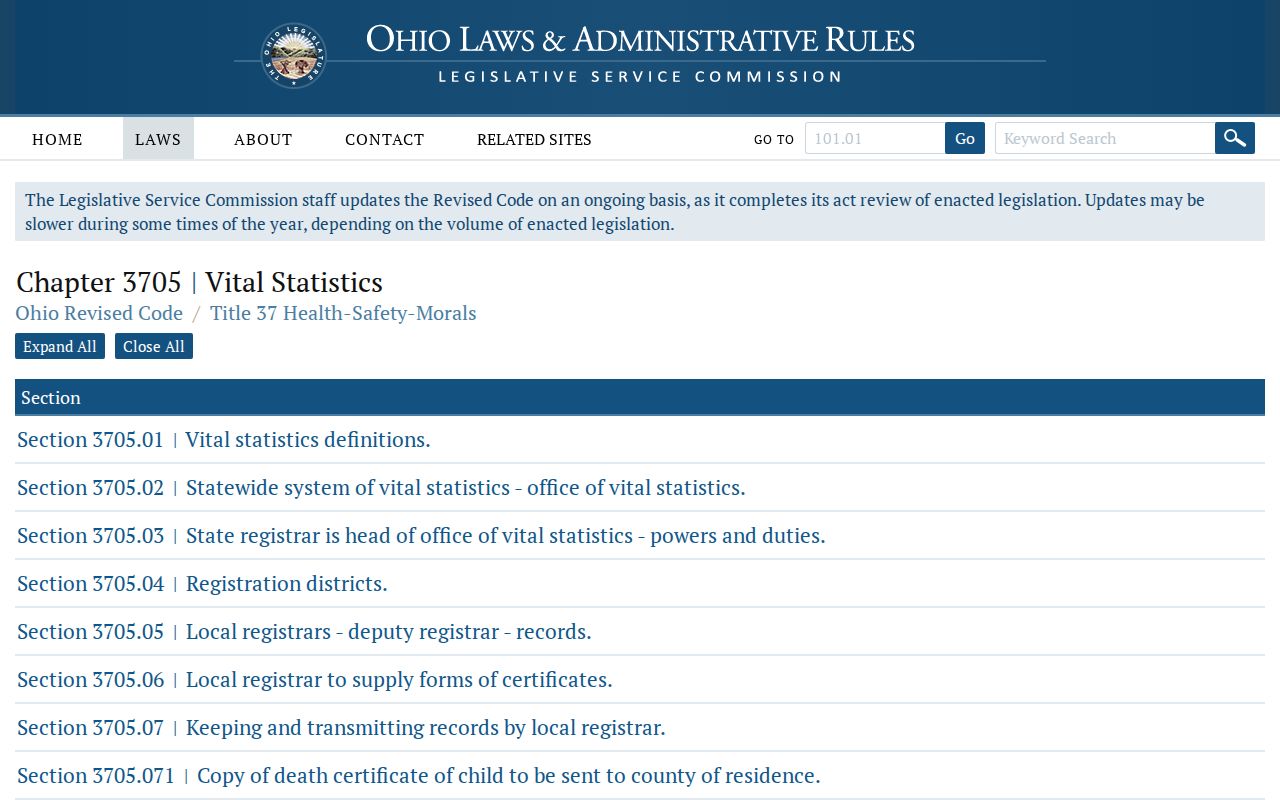
The statutory route matters when a date needs official confirmation. It should not be stretched into a full account of a past Centerville household.
Centerville Past Residents by Neighborhood Era
Centerville's historic core sits at Main and Franklin. It is called Four Corners. The area ties back to the 1796 plat and early stone buildings. Research in that Centerville area may require tract, deed, church, cemetery, and early local-family work. Any modern address trail only takes shape after that. Sugar Creek Baptist Cemetery is one possible early-settler endpoint. Its land came from Aaron Nutt in 1802, and cemetery history begins in 1807. Check with the Centerville historical society or the cemetery itself. Ask them for the sources they actually hold. For a different perspective, the 2025 Centerville comprehensive plan names 1959-79 as the dominant construction period for current neighborhoods. A later Centerville address may therefore carry stronger property, permit, suburban-directory, and recorded-deed evidence. Building permits are permanent under posted city records material. Other development and inspection categories carry stated retention periods. Ask the Centerville City Clerk or Planning office for the described existing record. Do not assume an online address file exists.
Centerville Previous Residents and Lawful Use
Keep a Centerville house-history search grounded in family history, property history, estate questions, personal safety, and civic curiosity. It cannot reveal every household member, utility customer, or delivery recipient. Federal law restricts driver-license address information. A tax mailing address proves nothing about occupancy. A missing directory, voter, court, or property result may reflect a record limit, a date gap, a name variant, or protected information.
Centerville and Washington Township are two governments that neighbors tend to treat as one place. A single record may carry any of several labels: Centerville, Washington Township, Montgomery County, or simply a postal designation. When you save a directory hit, keep the jurisdiction label exactly as written. Also record the date and the source type. That habit keeps a residents directory lookup honest. The same street can appear under different names in different county rolls. Note: treat a recorded party, an owner, and an address listing as three distinct roles rather than one.